

Decorative Stone
Incorporating decorative aggregates like golden gravel, plum slate, and Cotswold chippings into your garden design can transform ordinary flower beds and borders into captivating focal points. This step-by-step guide will help you understand how to effectively use these materials to enhance the aesthetics and functionality of your garden.
1. Choose Your Decorative Aggregates
Start by selecting the right decorative aggregates that complement your gardening style. Here are some popular options:
Golden Gravel: Known for its warm tones that can brighten up any garden space.
Plum Slate: Offers a unique purple hue, perfect for adding depth and contrast.
Cotswold Chippings: Light-coloured stone that provides a clean, polished look and great drainage.
Consider the colours and textures of your plants to ensure a harmonious blend.
2. Define Your Borders
Establish clear boundaries around your flower beds using decorative aggregates.This helps to visually separate your planted areas from lawns or pathways.
How to Create Borders:
Use stakes or rope to outline the shape of your border.
Dig a shallow trench along this outline to help contain the aggregates.
Fill the trench with your chosen decorative aggregate, ensuring a uniform layer for a neat appearance.
3. Opt for a Mulching Alternative
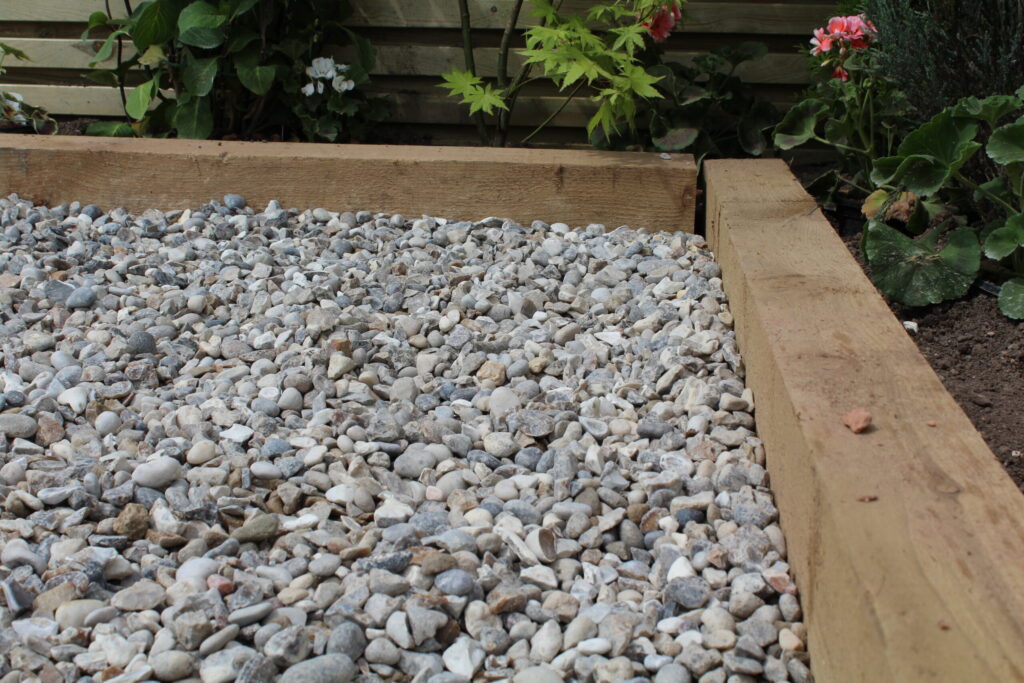
Consider using decorative aggregates as a long-lasting mulch alternative. They provide valuable benefits, such as:
Weed Suppression: Prevents weed growth effectively.
Soil Moisture Retention: Helps keep the soil hydrated.
Improved Drainage: Ensures excess water drains away, protecting your plants.
Using aggregates eliminates the need for frequent replacement like organic mulch, making it a low-maintenance option.
4. Create Layers for Depth and Interest
Layering different aggregate sizes can add texture and visual interest to your borders. Here’s how to do it:
Layering Steps:
Base Layer: Start with larger aggregates, such as river stones, at the bottom for stability.
Top Layer: Add finer aggregates like golden gravel or Cotswold chippings on top to create contrast.
This method not only enhances the aesthetic appeal but also helps in distinguishing specific plants or areas in your garden.
5. Consider Seasonal Changes
Think about how your chosen aggregates will look in different seasons. Light-coloured aggregates can brighten your garden in spring and summer, while darker stones can provide a warm ambiance in the fall.
Tips for Seasonal Updates:
Rotate or refresh your aggregate choices seasonally to keep your garden looking vibrant and fresh.
6. Integrate Carefully with Plant Selections
Pay attention to how decorative aggregates interact with your plants. Light-coloured aggregates, such as Cotswold chippings, can reflect sunlight and heat the soil. This may not be suitable for all plants, especially those that thrive in cooler conditions.
Plant Considerations:
Research your plants' needs regarding sunlight, moisture, and temperature to ensure they thrive among the aggregates.
By thoughtfully incorporating decorative aggregates such as golden gravel, plum slate, and Cotswold chippings into your garden design, you can significantly elevate its beauty and functionality. These materials not only enhance visual appeal but also support plant health and maintenance. With careful selection and creative application, your outdoor space can become a stunning haven, showcasing the best of what decorative aggregates have to offer.
Begin your journey to a more beautiful garden today by experimenting with decorative aggregates!
Looking for Skip Hire? Visit our main site here!
